Patterns
Agent design patterns:
- Give agents a computer (CLI and files)
- Progressive disclosure
- Offload context
- Cache context
- Isolate context
- Evolve context
Architecture
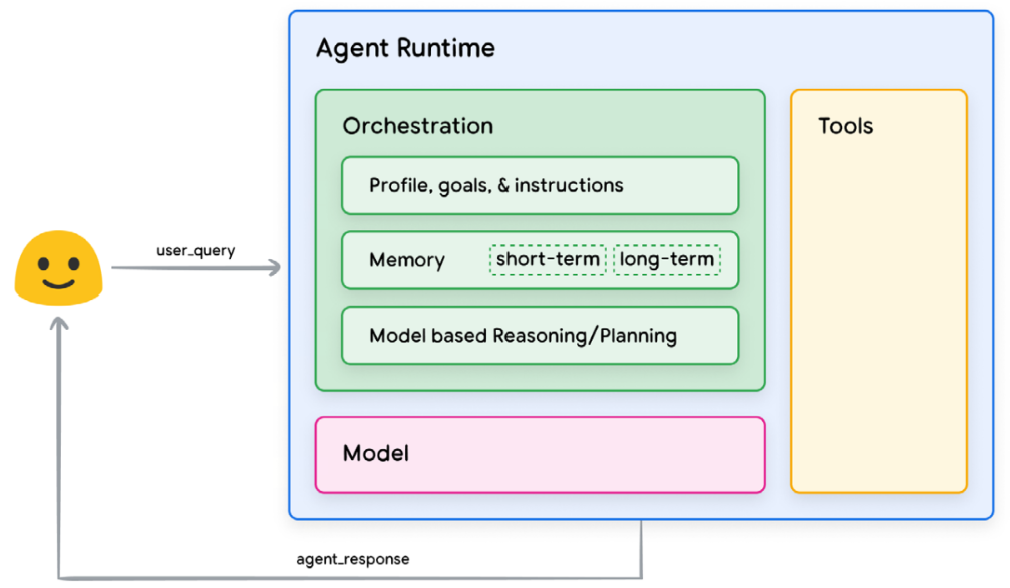
General agent components:
- LLM (brain)
- Prompting (instructions)
- Memory
- External knowledge
- Tools
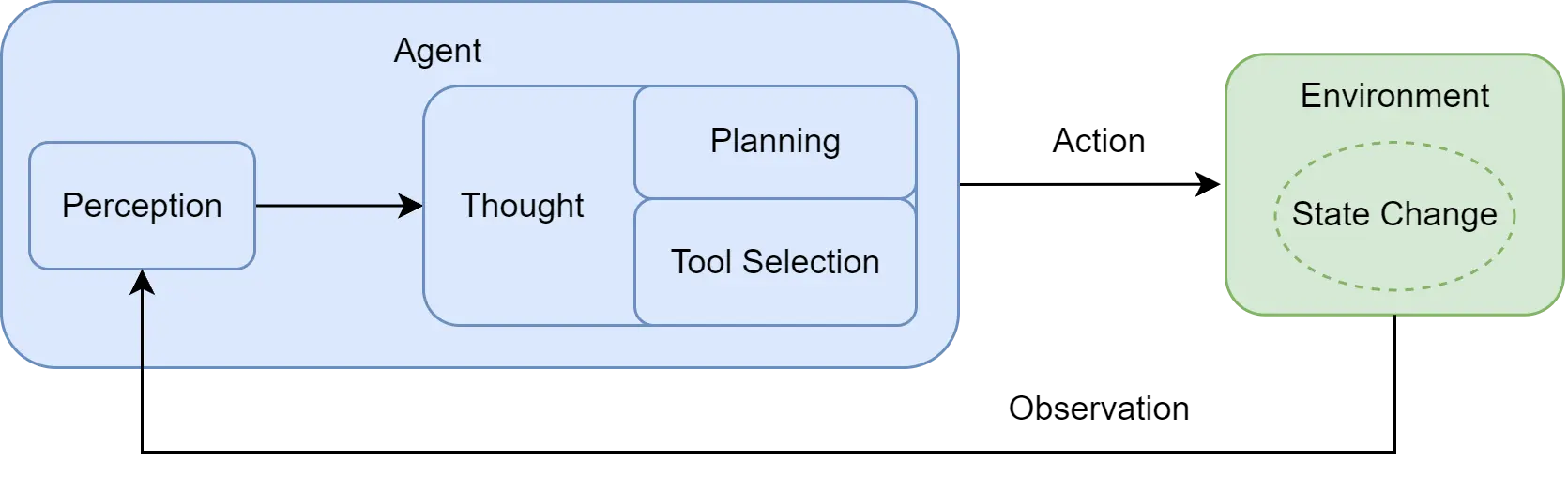
AI Agent system use LLMs as core reasoning engine, augmented with tools, memory, and instructions.
First-Principles
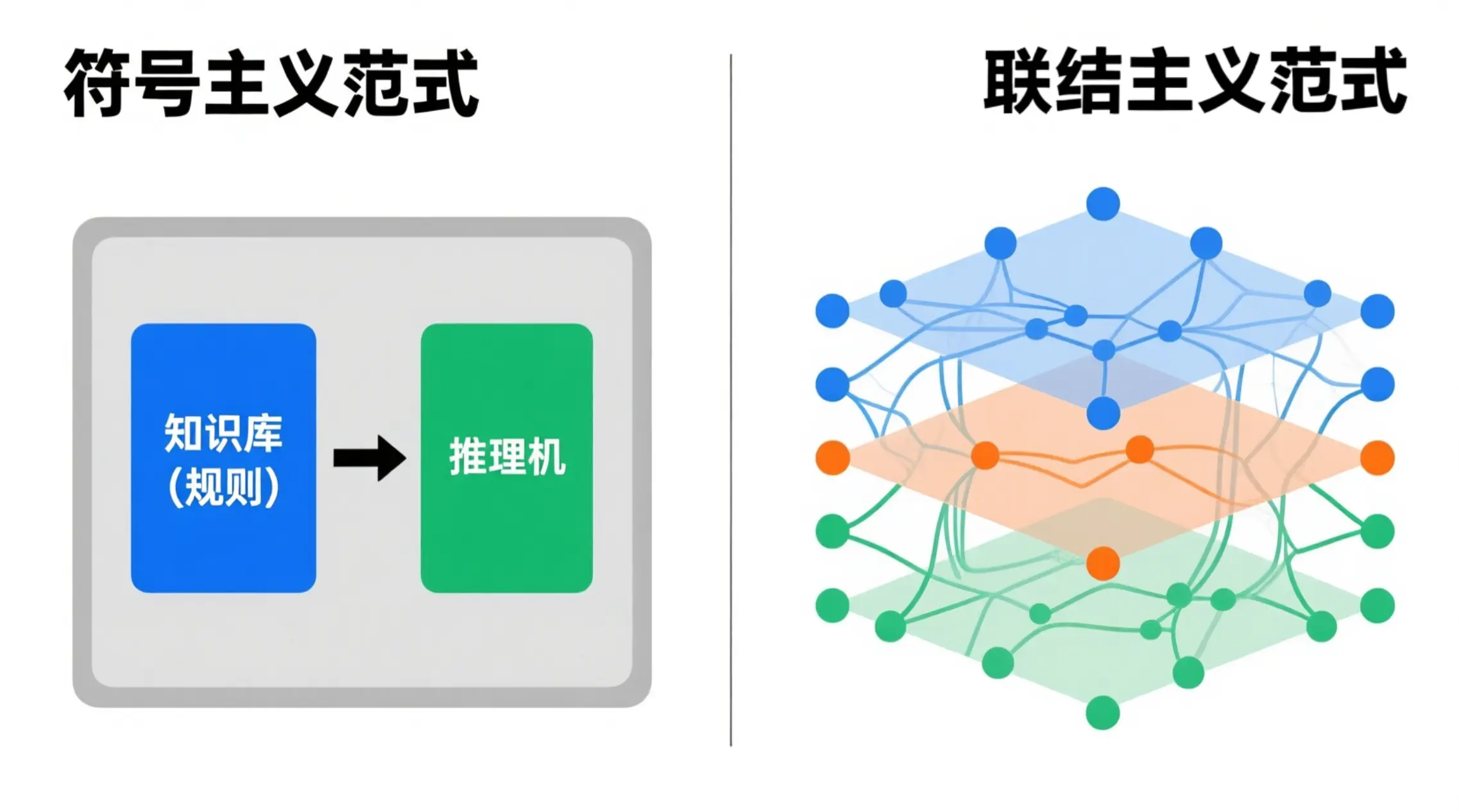
从李世石与 AlphaGo 的围棋对战中的第 37 手,
我们可以总结出第一性原理
智能体的基本原则:
- Replica agents: 当流程需要人工审核、代理作为用户的副驾驶员或与仅限 UI 的旧版工具集成时,使用仿生学。
- Alien agents: 当目标是纯粹的结果效率时,使用第一性原理。
Asymmetry of Verification and Verifiers
Asymmetry of verification and verifiers law:
所有可解决且易于验证的问题, 都将被 AI 解决.
Value of highly polished UI and enterprise applications will decrease, value of performant, reliable, extensible API will increase.
Agent-Native
Agent-native apps should:
- Parity (对等性): 用户通过 UI 完成任务
<->Agent 通过工具实现. - Granularity (细粒度): tools should be atomic primitives.
- Composability: 有了上述两点, 只需编写新的提示词即可创建新功能.
- Emergent capability.
- Files as universal interface: files for legibility, databases for structure.
- Improvement over time:
- Accumulated context: state persists across sessions.
- Developer-level refinement: system prompts.
- User-level customization: user prompts.
**Who I Am**:
Reading assistant for the Every app.

**What I Know About This User**:
- Interested in military history and Russian literature
- Prefers concise analysis
- Currently reading *War and Peace*

**What Exists**:
- 12 notes in /notes
- three active projects
- User preferences at /preferences.md

**Recent Activity**:
- User created "Project kickoff" (two hours ago)
- Analyzed passage about Austerlitz (yesterday)

**My Guidelines**:
- Don't spoil books they're reading
- Use their interests to personalize insights

**Current State**:
- No pending tasks
- Last sync: 10 minutes ago
Build capable foundation, observe what users ask agent to do, formalize patterns that emerge:
- Common patterns: domain tools.
- Frequent requests: dedicated prompts.
- Unused tools: remove.
Long Running
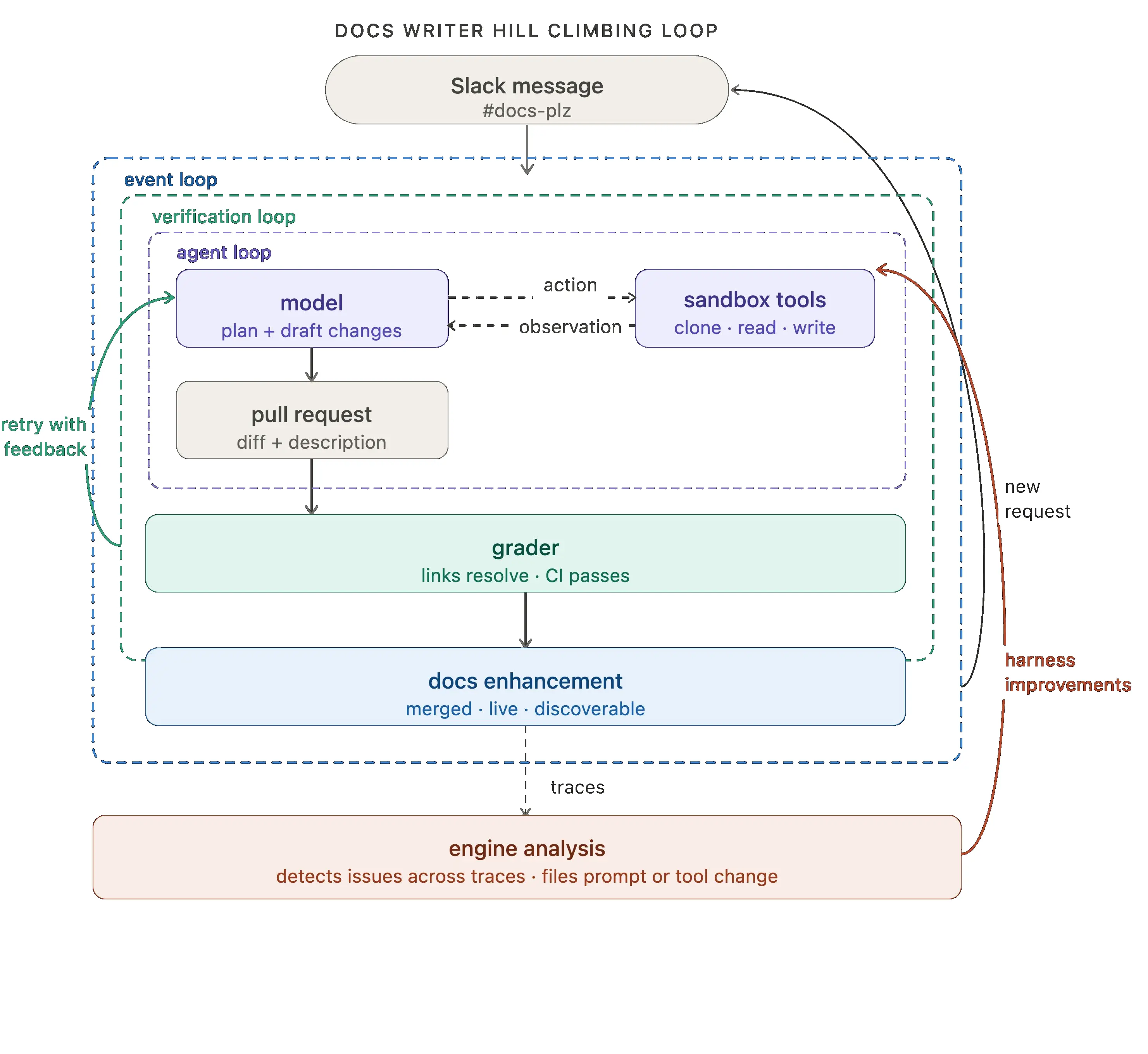
Three-agent architecture
harness design (Planner + Generator + Evaluator)
produce rich full-stack applications
over multi-hour autonomous coding sessions.
自主编码正从更好的提示转向更好的控制系统:
围绕 agent 设计目标、评估器、循环、产物,
使其在人停止输入后仍能规划、执行、自检、纠错、持续推进,
agent 仍是执行者, 但人不再逐轮交互.
Goal as Contract
/goal 规定期望终态、成功证据、约束、轮次与预算, 而非更长的提示:
- 弱目标让模型提前停止或重定义成功
- 强目标编码领域知识 (基准、截图、约束) 供反复自测
Verifier
自主性只在拥有可靠验证器时成立:
- 外部检查优于 agent 对
已完成的自我解释 - 确定性检查 (类型、测试、lint) 作下限, LLM 评审作高层复核
- 详见 evaluation
Loop
目标给方向, 循环让工作存活, 模型常在真正完成前停止:
- 外层控制系统: 唤醒 -> 检查 -> 验证 -> 对照目标 -> 带回下一步
- 最简形式即 Ralph loop + 确定性条件
Model Choice as Architecture
模型是架构决策而非单一选择:
- 规划模型定目标/约束, 执行模型跑实现, 廉价模型做评估/视觉评审
- 编排器让你交换角色, 而非等待单一厂商
Artifacts
多 agent 并行时终端记录不可扩展, 分离存储与呈现:
- Markdown 存持久证据, 供 agent 搜索
- HTML 产物渲染可视化仪表盘 (loss 曲线、基准、截图), 供人监控
- 产物是控制面, 非事后报告
Session Mining
过往会话是工作流数据富矿:
- 重复失败、漏跑检查、重试坏命令不该埋在日志里
- 扫描近期记录, 把重复失败模式转为项目指令/规则, 让本地环境更聪明而非从零训练模型
Self-Evolving
Self-evolving agents, use runtime experience and external signals to optimize future behavior:
- Update evaluation datasets.
- Enhanced context engineering.
- Tool optimization and creation.
- Refine guardrails.
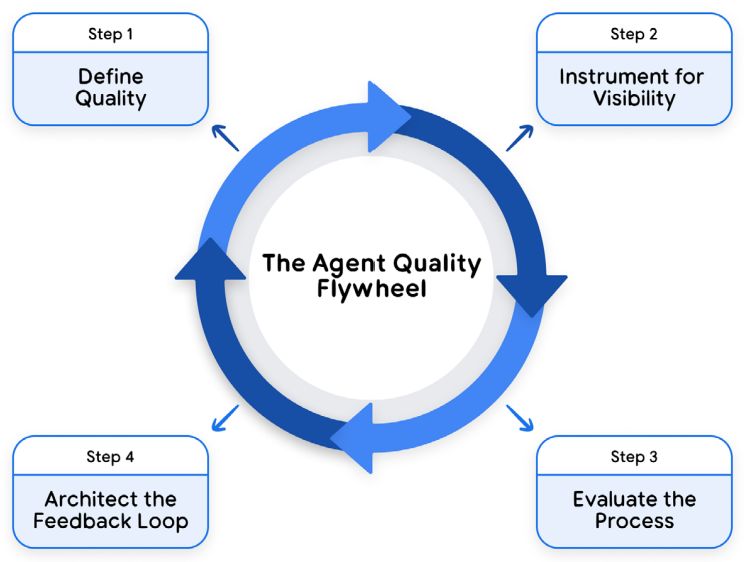
Compound
Compound engineering (复利工程), 每个 PR 都在教育系统, 每个 bug 都成为永久的教训, 每次代码审查都在更新 agent 的默认行为:
- 将经验沉淀到项目文档.
- 让 bug 修复产生长期价值.
- 从代码审查中提取模式.
- 建立可复用的工作流程: slash commands, hooks, guardrails, and skills.
- Linter rules, regression tests,
AGENTS.mdimprovements, checklist updates.
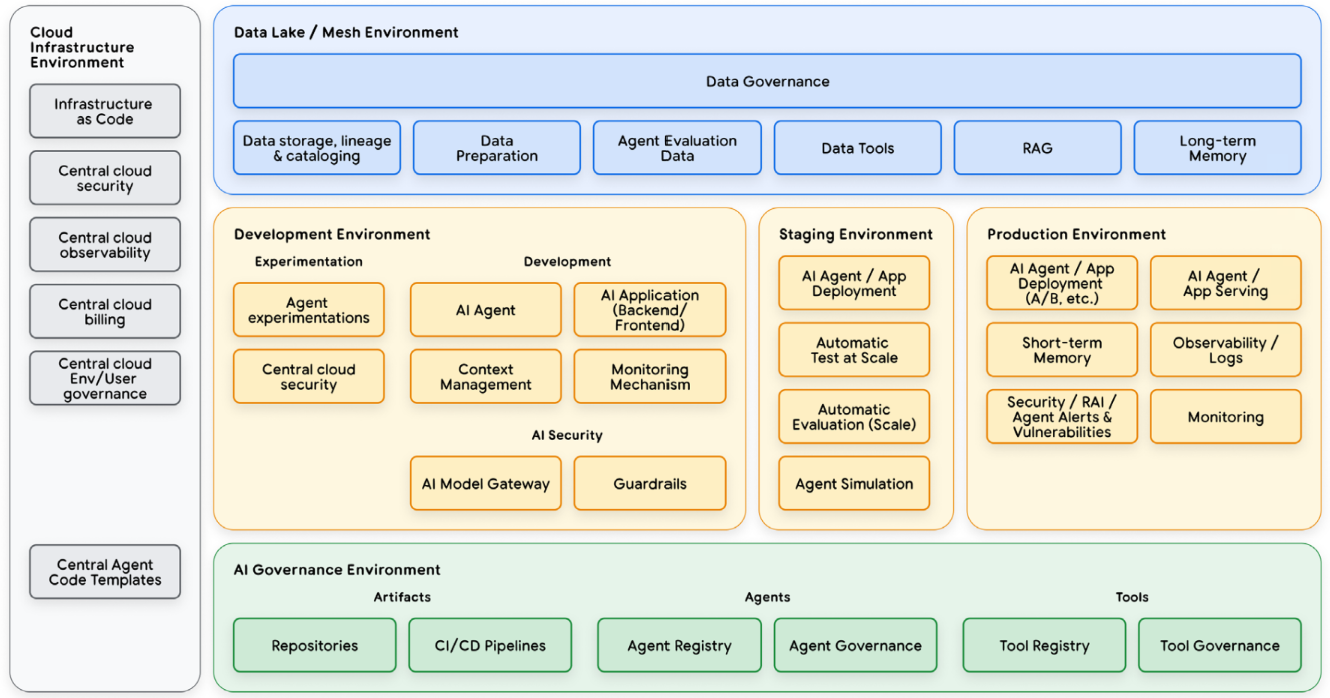
AgentOps
References
- Agents whitepaper
- Agentic patterns
- Agent 系统设计指南
- Coding agent design patterns